Հայերեն
 Русский
 English
Where street dogs face the hardest conditions — and where things are improving
How different countries deal with free-roaming dogs — from large-scale removal to long-term sterilisation, vaccination and responsible-ownership programmes.
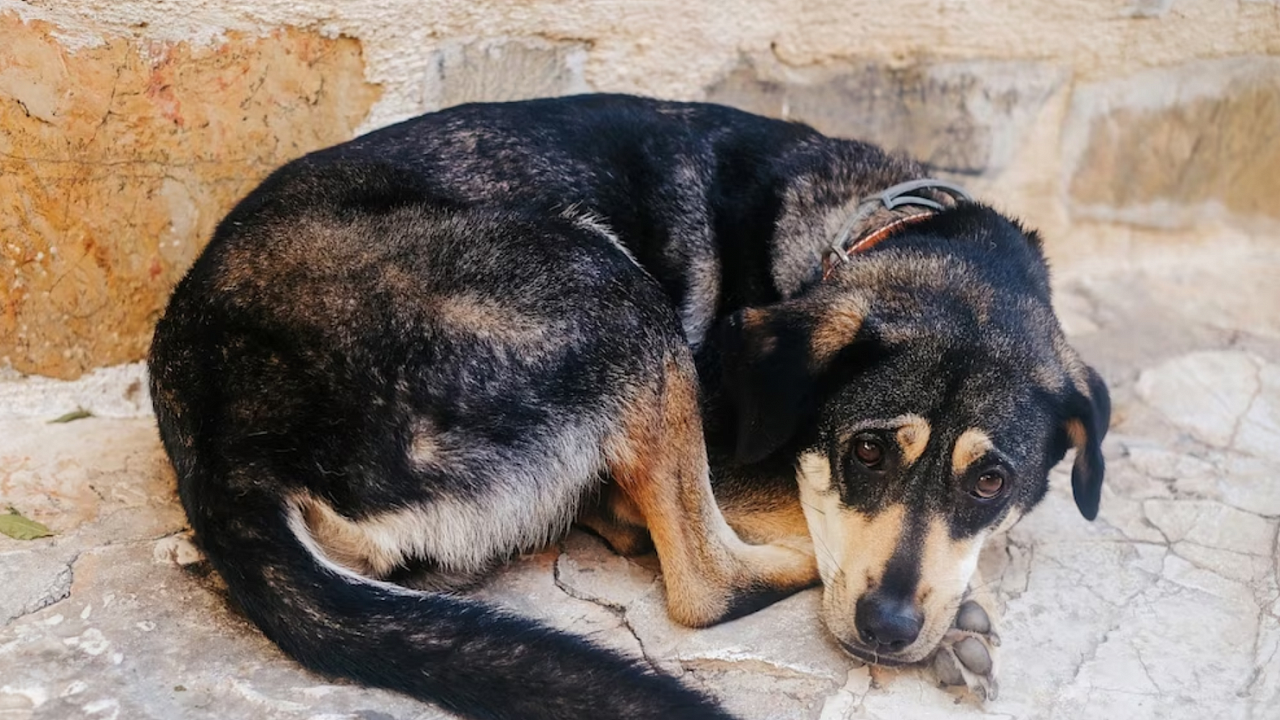
The lives of free-roaming dogs differ dramatically from one country to another. Some governments and animal-welfare groups have spent years building sterilisation and vaccination programmes, while elsewhere population control still relies on large-scale removal or killing. In spring 2026, Humane World for Animals published an overview of countries where street dogs face particularly difficult conditions and places that demonstrate more humane approaches.
How many animals live without a home?
Humane World for Animals estimates that roughly 362 million dogs and cats worldwide are homeless, including about 143 million dogs living on the streets. For many of them, daily life means hunger, untreated injuries and disease, as well as a risk of deliberate cruelty.
Such lists should not be read as a judgement on an entire country or on all of its residents. Every country has people, volunteers and organisations helping animals. The important distinction is between systems: legislation, municipal policy, population-management methods and access to veterinary care.
Countries where conditions remain especially difficult
Türkiye
Türkiye has a very large population of free-roaming dogs. Following legislative changes in 2024, municipalities were tasked with removing dogs from the streets and placing them in shelters. Animal-welfare advocates warn that insufficient shelter capacity, funding and veterinary infrastructure can put animals at greater risk of death or euthanasia. The policy continues to be debated and protested within the country.
Morocco
Moroccan animal-welfare groups have long opposed the killing of street dogs. Reports of population-reduction campaigns ahead of major international events have caused particular concern. International organisations argue that short-term shooting or poisoning campaigns do not provide lasting population control unless they are paired with sterilisation, vaccination and responsible pet ownership.
China
In some parts of China, the dog-meat trade remains an additional threat. Humane World for Animals estimates that around 10 million dogs are killed in this industry in China each year. The animals can include street dogs as well as stolen pets. At the same time, dog meat is not eaten by the majority of Chinese people, and public attitudes towards the trade have been changing.
Pakistan
Pakistan's street-dog issue is closely connected with rabies control. In a number of cities, authorities have continued to use mass killing, including poisoning, as a response. Veterinary and international organisations promote an alternative based on vaccination, sterilisation and sustained population management rather than repeated culls.
Egypt
Street dogs in Egypt have for years faced poisoning and shooting campaigns. At the same time, many local residents feed and care for community animals. More recent initiatives have discussed sterilisation and vaccination as part of efforts to reduce rabies. The key question is whether these programmes will develop into a stable, long-term policy.
Places using more humane solutions
India
Many Indian cities use a catch-neuter-vaccinate-return model. The idea is to stabilise the existing dog population over time without repeatedly emptying territories that can then be occupied by new, unsterilised animals. The policy remains politically and legally debated, but comprehensive vaccination and sterilisation programmes are widely regarded as a more sustainable way to manage free-roaming dog populations.
Mexico
Animal protection gained stronger constitutional recognition in Mexico in 2024. Vaccination and sterilisation programmes operate across the country, and in many communities free-roaming dogs are regularly fed and monitored by local residents. Cruelty and abandonment have not disappeared, but the overall policy direction is increasingly focused on prevention and owner responsibility.
The Netherlands
The Netherlands is often cited as a country where street-dog homelessness has been reduced to a very low level. That result came from years of consistent policy: compulsory registration and microchipping, strict consequences for abandoning pets, breeding controls, support for shelters and strong adoption campaigns.
Bhutan
Bhutan implemented a nationwide sterilisation and vaccination programme for free-roaming dogs together with Humane World for Animals. Over the years, more than 150,000 street dogs were reached, while tens of thousands of owned dogs were identified and registered. The programme shows that even a nationwide population challenge can be addressed without mass killing when the work is sustained and systematic.
Thailand
Thailand has a large population of dogs living around communities and temples. In many areas they are fed, vaccinated and sterilised, while Buddhist temples often provide relatively safe spaces. Combining community care with veterinary programmes has helped some areas make substantial progress in reducing human rabies transmitted by dogs.
What actually works?
International experience suggests that killing animals rarely produces a durable result. When one group disappears, available territory and food sources can gradually attract other unsterilised animals. A more sustainable system combines several measures:
- large-scale, accessible sterilisation;
- vaccination, especially against rabies;
- registration and microchipping of owned pets;
- real responsibility for abandonment;
- support for shelters and adoption;
- education and cooperation with local communities.
Humane population management is not a one-off campaign. It is a permanent system in which veterinary care, legislation and human responsibility have to work together.
Why this matters for Armenia
Free-roaming dogs are also an important issue for Armenia. International experience is useful not because another country's model can simply be copied, but because it shows the long-term consequences of different choices. The earlier a city invests in sterilisation, vaccination, pet identification and responsible ownership, the less pressure there is to resort to emergency and cruel measures.
Homeless-animal populations cannot be managed in a single season. But countries that have worked consistently for years demonstrate that it is possible to improve animal welfare while also making public spaces safer and populations more manageable.