 Հայերեն
 Русский
 English
Why dogs struggle to be alone and how to teach them calmly
Barking, howling and destruction after an owner leaves are not revenge. Learn how to recognise distress and teach a dog to stay alone gradually and safely.
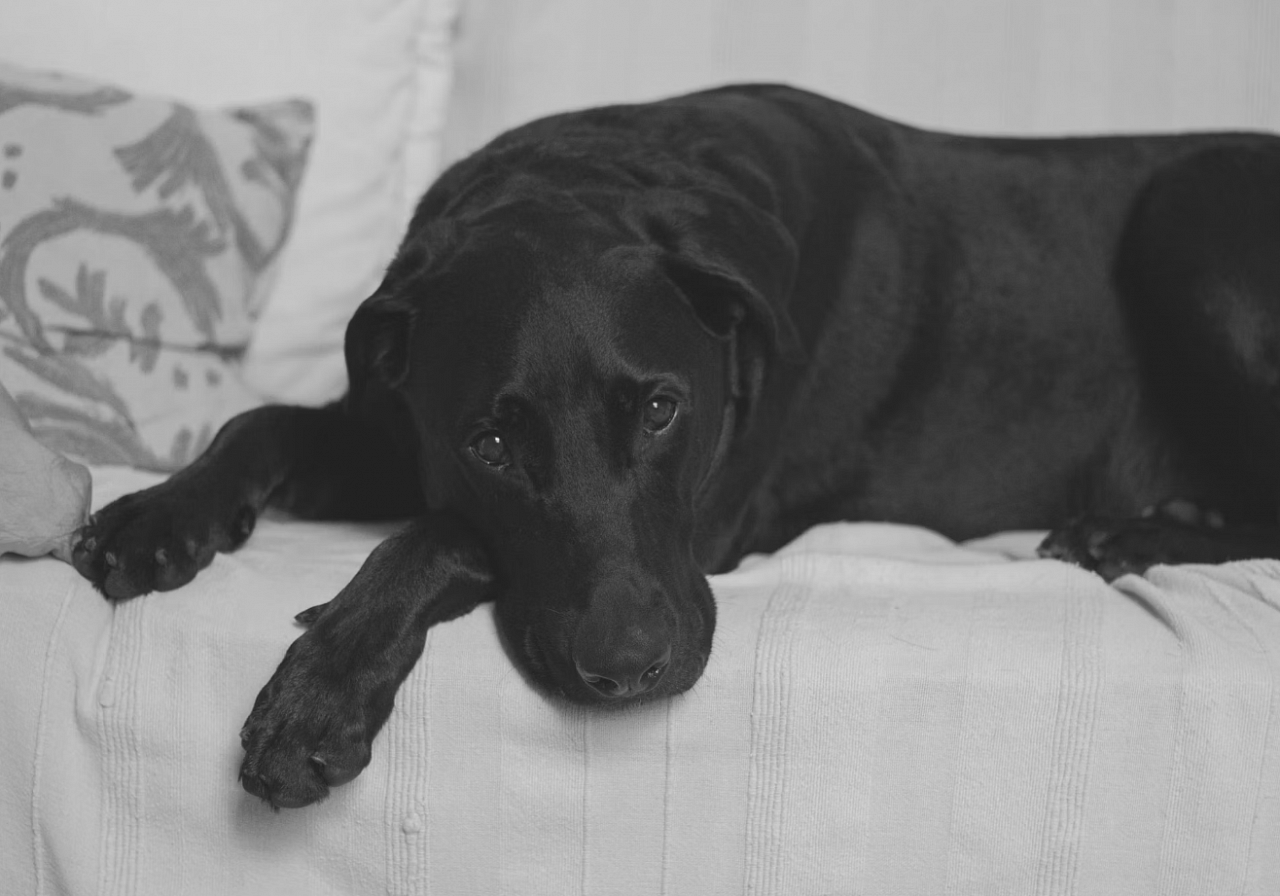
Dogs are social animals, and the ability to stay home calmly without a person does not develop automatically. Some dogs adjust quickly to short periods alone, others need much more time, and some experience such intense distress that the old idea of “leave them to cry and they will get used to it” can make the problem worse.
It is important to distinguish a lack of training from a true separation-related disorder. In either case, the dog is not trying to take revenge on the owner. Barking, howling, destruction or toileting indoors are more likely to reflect stress, over-arousal or panic.
Why can being alone be so difficult?
For a companion dog, people are major social partners. Separation can be especially difficult for puppies, recently adopted dogs, animals that have changed homes, dogs with negative past experiences and pets that have spent long periods rarely being left alone.
Problems may also appear after a holiday, a long period of working from home, or an illness when the owner has been present almost constantly. An abrupt return to a normal work schedule can be a major change for the dog.
Signs that may indicate distress
Not every dog waiting by the door has separation anxiety. Signs are more concerning when they repeatedly appear before the owner leaves or soon afterwards:
- prolonged barking, howling or whining;
- pacing and inability to settle;
- scratching doors or windows and trying to escape;
- destructive behaviour;
- heavy drooling, panting or trembling;
- refusing food the dog normally enjoys;
- urinating or defecating indoors despite being house-trained;
- becoming highly agitated as soon as keys, shoes or a coat appear.
One isolated incident does not necessarily mean a serious disorder. But repeated patterns should be addressed before they become more established.
A camera can show what is really happening
Many owners do not know what happens after the door closes. A basic home camera or an old phone can reveal whether the dog settles down or spends the first half hour pacing, whining and trying to escape.
Video is particularly useful because some dogs settle after a few minutes while others become progressively more distressed.
The main rule: progress in very small steps
Teaching a dog to be alone is not about forcing it to tolerate the longest possible absence. It is about repeating short, successful separations that remain below the dog's panic threshold.
If a dog can stay relaxed for 30 seconds, going straight to 20 minutes is too large a jump. Repeat short periods first and then increase the duration gradually.
The right level of difficulty is one where the dog notices that the person has gone but is still able to remain calm.
How to begin
- Teach independent relaxation. Help the dog become comfortable while you are in another part of the home.
- Close an internal door briefly. Start with only a few seconds.
- Step outside the front door. Return before the dog begins to panic.
- Increase time gradually. Each attempt does not need to be longer than the previous one; mixing short and slightly longer absences can help.
- Use video to monitor behaviour. If signs of stress appear, make the next session easier.
Should you wait until the dog stops barking before returning?
When barking is driven by genuine distress, the rule “never go back while the dog is barking” can be unhelpful. The dog may not be demanding attention; it may be experiencing panic.
The aim is to prevent repeated episodes of severe fear by choosing an absence duration that the dog can currently tolerate.
What about keys, shoes and other departure cues?
Some dogs become anxious before the owner even leaves. Picking up keys, putting on work clothes or taking a bag can be enough to trigger stress.
These signals can be made less meaningful. Pick up your keys and put them down again, put on your coat but stay home, or open and close the door without actually leaving. With repetition, these cues stop predicting a long separation every time.
Should departures be emotional?
A calm and predictable departure is usually more helpful than a long emotional farewell. There is no need to deliberately ignore the dog, but an anxious goodbye ritual can make the departure feel even more significant.
Returns can also be friendly but calm. Once the dog is settled, interact normally.
Can food toys help?
A food-filled toy, licking mat or safe chew can create a positive association with short periods alone.
But if a dog is so anxious that it stops eating something it normally loves, that is useful information: the current training step is probably too difficult. Food should not be used to mask severe panic.
Exercise before being left alone
A suitable walk, toilet opportunity and calm mental activity before departure can help a dog settle. Exhausting the dog physically, however, does not cure separation anxiety.
If the underlying problem is panic about the person's absence, tiredness alone does not remove the cause.
Why punishment makes things worse
If an owner returns home to a damaged door or an accident on the floor, punishment does not explain to the dog what it supposedly did wrong minutes or hours earlier.
More importantly, behaviour caused by separation distress is not revenge. Punishment can add fear of the owner's return to the existing fear of being alone and make the overall problem harder to resolve.
Will getting a second dog solve it?
Another animal may help some dogs feel more relaxed, but it is not a universal solution. If the distress is specifically linked to the absence of a particular person, another dog may make little or no difference.
A second pet should not be acquired solely as a treatment for separation problems.
When home training is not enough
Seek help from a veterinarian and a qualified behaviour professional if the dog:
- tries to break through doors or windows and risks injury;
- cannot tolerate even a few seconds alone;
- trembles, pants heavily or drools excessively;
- completely refuses food during separations;
- shows intense panic almost every time the owner leaves;
- suddenly develops problems with being alone despite previously coping well.
A sudden behavioural change can sometimes be related to pain, ageing or another medical issue rather than training alone. Severe cases may need a comprehensive treatment plan that combines behavioural work with veterinary medication.
What to do while training is still in progress
If a dog can currently cope with only a few minutes but the owner must be away for several hours each day, temporary support can be very useful: family, a trusted friend, a dog walker, day care or another safe arrangement.
This does not “spoil” the dog. It helps protect training progress by avoiding repeated episodes of overwhelming panic.
The key point
Staying home calmly is a learned skill. Dogs progress at different speeds, so comparing one pet with another is not useful.
The best measure is not the number of minutes on a timer but the dog's emotional state. If the dog remains relaxed, increase the challenge gradually. If anxiety appears, make the task easier and allow more time.