Հայերեն
 Русский
 English
How often should dogs and cats be dewormed?
There is no universal deworming schedule: frequency depends on age, lifestyle, diet, hunting, travel and other individual risk factors.
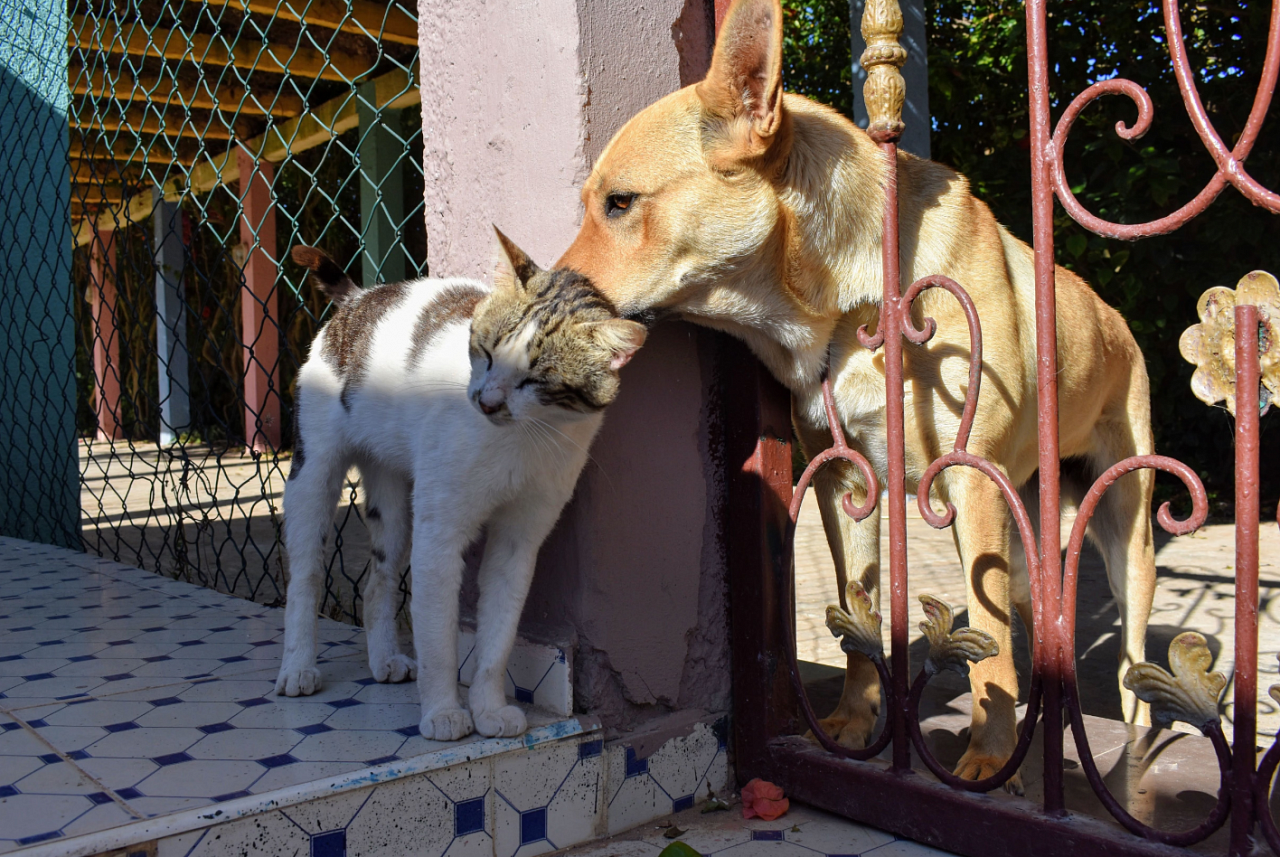
Worms in dogs and cats are not just a seasonal problem. The risk can continue throughout an animal's life. Parasite eggs and larvae may be present in soil and faeces, and infection can also occur through prey, raw meat, fleas or contact with infected animals. A pet may nevertheless look completely healthy for a long time.
That is why a better question than “How often should I give a worming tablet?” is: What is my pet's individual risk, and what parasite-control plan fits that risk? There is no single schedule that is right for every dog and cat.
Which worms can affect dogs and cats?
Companion animals can be infected by roundworms, hookworms, tapeworms and other internal parasites. Some primarily affect animals, while certain species can also pose a risk to people.
One of the challenges is that infection is not always obvious. A low parasite burden may cause no visible signs at all, and the eggs of many worms are too small to be seen without laboratory testing.
How can a pet become infected?
Risk is closely linked to lifestyle. A dog or cat may be exposed when it:
- comes into contact with contaminated soil or faeces;
- hunts rodents, birds or other prey;
- eats raw meat or offal;
- has fleas, which can transmit certain tapeworms;
- has frequent contact with other animals;
- travels to areas where additional parasites are endemic.
Puppies and kittens, free-roaming pets, hunting dogs, cats that catch prey and animals fed untreated raw meat generally require closer attention to parasite control.
What signs can suggest a worm infection?
Many infected animals show no symptoms for some time. When signs do occur, they may include:
- diarrhoea or vomiting;
- weight loss despite a normal appetite;
- a pot-bellied appearance in young animals;
- a dull coat or poorer general condition;
- weakness or pale mucous membranes when significant anaemia develops;
- visible parasite segments in faeces or around the anus.
These signs are not specific to worms and can occur with many other conditions. A single symptom is therefore not enough to diagnose a parasite infection or choose a treatment without veterinary advice.
So how often should dogs and cats be dewormed?
Current parasite-control guidance is based on individual risk assessment. ESCCAP, the European Scientific Counsel Companion Animal Parasites, advises considering the animal's age, lifestyle, diet, hunting behaviour, travel, contact with other animals and the local epidemiological situation.
When the individual risk of intestinal nematodes cannot be clearly assessed, current ESCCAP guidance recommends faecal examination or deworming at least four times a year. Higher-risk animals may need much more frequent management; in some situations a veterinarian may recommend monthly monitoring or treatment targeted at a particular parasite.
“Every three months” can be a useful reference point for some pets, but it is not a universal rule. The right interval depends on the animal's real exposure risk.
Can regular faecal testing replace routine tablets?
It can in many cases. Regular parasitological examination of faeces, followed by treatment when indicated, can be an alternative to routine deworming when testing is performed at an appropriate frequency.
However, testing also has limitations. Some parasites do not shed eggs continuously, and tapeworm infections can be harder to detect in routine faecal samples. One negative test therefore does not always prove that a pet is parasite-free. A veterinarian may recommend multiple samples or a combination of testing and preventive treatment.
Why does one treatment not protect a pet for months?
Most worming medicines do not create a long-lasting barrier against reinfection. They act against particular parasite stages present at the time of treatment. A pet can be exposed again after walking, hunting or contacting a contaminated environment.
The purpose of prevention is therefore not to “clear the body forever” with one dose, but to keep monitoring exposure and prevent parasite burdens from becoming dangerous to the animal or to people around it.
The medicine has to match the pet and the parasite
Worming products contain different active ingredients and cover different parasites. A treatment effective against roundworms may not cover every tapeworm, while another suspected parasite may require a different approach.
Doses are based on body weight and the instructions for the specific veterinary product. Owners should not increase doses on their own, combine products without advice, or use medicines intended for another animal species.
What else can reduce the risk?
- pick up dog faeces promptly;
- clean litter trays regularly and wash hands afterwards;
- do not allow pets to eat animal remains or faeces found outdoors;
- control fleas because they are part of the life cycle of some tapeworms;
- discuss the parasite risks of raw feeding with a veterinarian;
- before travelling, check which parasites occur at the destination;
- pay particular attention to hygiene when young children or immunocompromised people live in the household.
When should you contact a veterinarian?
Seek veterinary advice if a pet has repeated vomiting or diarrhoea, blood in the stool, marked weight loss, pronounced weakness, pale mucous membranes, or visible worms in faeces or vomit. Heavy infections can be especially dangerous in puppies and kittens and may cause their condition to deteriorate quickly.
The key point
Worm control is not simply one tablet on a fixed calendar. It is part of ongoing preventive care. A low-risk indoor cat may be managed with regular laboratory monitoring, while a dog that hunts, eats raw meat or travels frequently may need a very different plan.
The best schedule should be agreed with a veterinarian according to the pet's lifestyle and the local parasite situation. That makes prevention targeted to actual risk rather than treatment “just in case”.