Հայերեն
 Русский
 English
How to prepare your pet for an emergency evacuation
A carrier, records, medication, water and a clear plan can save critical minutes. Here is what dog and cat owners should prepare before an emergency happens.
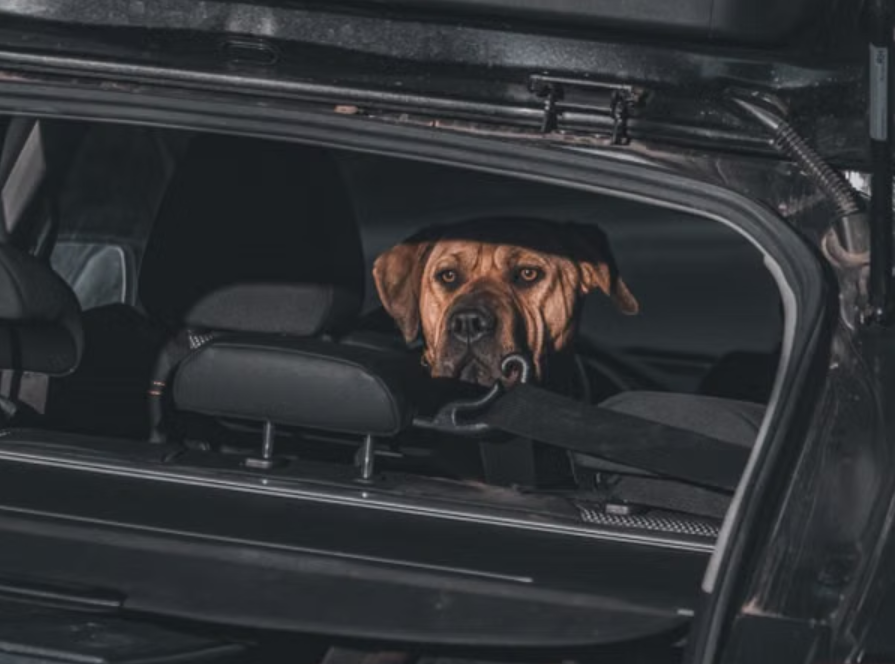
Emergencies rarely leave time to pack calmly. A fire, earthquake, severe weather event, building incident or evacuation order may require a family to leave home within minutes. Pets need to be part of that plan too.
The main principle is simple: do not begin preparing only after the emergency has already started. A few supplies assembled in advance and a pet that is comfortable with a carrier can make evacuation much safer.
Keep carriers and leashes easy to reach
A cat carrier or small-dog carrier should not be buried under boxes in a storage area. During an emergency, every minute may matter.
Keep the carrier somewhere accessible. For dogs, it is useful to keep a leash, harness or collar with current owner contact information near the exit.
Teach your pet to accept the carrier before you need it
If a carrier appears only before veterinary visits, a cat or dog may learn to fear it and hide at exactly the wrong moment.
Leave the carrier open at home from time to time, place familiar bedding or a toy inside, and reward the animal for entering calmly.
Short, uneventful car rides can also help prevent the carrier and vehicle from being associated only with stressful experiences.
Prepare a small emergency kit
You do not need a huge suitcase. The important thing is that basic supplies can be picked up and carried quickly.
Useful items include:
- a supply of the pet's normal food;
- bottled water;
- small food and water bowls;
- essential regular medications;
- a spare leash or harness;
- waste bags;
- for cats, litter and a compact litter tray;
- a towel or small blanket;
- a basic first-aid kit;
- copies of important veterinary records.
Food, water and medication supplies should be checked regularly and replaced before they expire.
Keep digital copies of documents
Paper records can easily be lost or damaged. Store digital copies on your phone or in secure cloud storage as well.
Keep copies of:
- vaccination and veterinary records;
- prescriptions and regular medication information;
- microchip details if the pet is chipped;
- several recent photographs of the animal;
- a photograph showing you together with your pet.
A photo of owner and pet together may help establish ownership if you become separated.
Check identification details
If your pet wears an ID tag, make sure the phone number is current. If the animal is microchipped, confirm that the chip is registered and that the owner's contact details are up to date.
A microchip is not a GPS tracker. It helps identify an animal after someone finds it and scans the chip.
Decide where you could go
Not every hotel, temporary accommodation or evacuation facility accepts animals. It is useful to identify several options in advance:
- friends or relatives who could take you and your pet;
- pet-friendly hotels;
- boarding facilities;
- veterinary clinics that may be able to house animals temporarily;
- local rescue or animal-welfare organisations.
Rules vary by country and emergency, so local options should always be checked in advance.
Make a plan for when you are not home
Choose a trusted person who could collect the animal if an emergency happens while you are away.
That person should know:
- where the carrier is stored;
- where the leash and emergency kit are kept;
- where the pet usually hides;
- how to handle the animal safely;
- where the pet can be taken.
In homes with several animals, a written list can help ensure that none are overlooked.
Know your pet's hiding places
A frightened cat may hide under a bed, behind furniture, in a cupboard or somewhere it normally ignores. A dog may retreat to a quiet corner too.
Know the places your animal uses for safety and practise calmly moving the pet into a carrier or toward an exit.
Do not allow a pet to roam freely during evacuation
Even a normally calm animal can panic because of sirens, smoke, crowds or loud noise.
Cats should be secured inside a closed carrier. Dogs should be kept on a reliable leash or harness. In an unfamiliar, frightening environment, do not assume normal recall and obedience will work as usual.
If your pet takes medication
If an animal depends on regular medication, try to keep a small reserve. Store the medicine name, dose and schedule with it.
For drugs that require refrigeration or special storage, ask your veterinarian in advance what to do during a prolonged power outage or evacuation.
Expect behaviour changes after a stressful event
After evacuation, even a normally social animal may hide, become irritable, eat less or try to escape. Unfamiliar smells, people and noise can intensify stress.
Do not immediately give a pet unrestricted access to an unfamiliar building. Start with a quiet secure area, check doors and windows, and expand access gradually.
Be particularly careful after the emergency
Familiar areas can change dramatically after fires, earthquakes, floods and other disasters. Normal scents and landmarks may disappear, while glass, debris, chemicals or other hazards may appear.
Even animals that normally roam outside should be supervised more closely until the environment is safe again.
When veterinary help is needed
Seek veterinary care if, after an emergency, a pet:
- has burns or visible injuries;
- may have inhaled smoke;
- is breathing abnormally;
- shows marked weakness;
- cannot stand or walk normally;
- refuses food and water for a prolonged period;
- has repeated vomiting or diarrhoea;
- may have contacted chemicals or toxic substances.
Serious symptoms should not be managed by watchful waiting at home.
A minimum plan you can prepare today
- Move the carrier to an accessible place.
- Check the ID tag and microchip contact information.
- Take recent photographs of your pet.
- Put copies of important records together.
- Prepare a small supply of food, water and medication.
- Choose someone who can help if you are away.
- Identify at least two places where you could stay with your animal.
The key point
An evacuation plan is not about expecting disaster every day. It is about avoiding the loss of valuable minutes searching for a carrier, records, medication or a leash during a rare emergency.
The more familiar the carrier is, the clearer the family's plan and the easier essential supplies are to reach, the safer an urgent evacuation is likely to be.