Հայերեն
 Русский
 English
How to care for your dog or cat’s teeth
Why daily brushing is ideal, which products should be avoided, and which signs mean that home dental care is no longer enough.
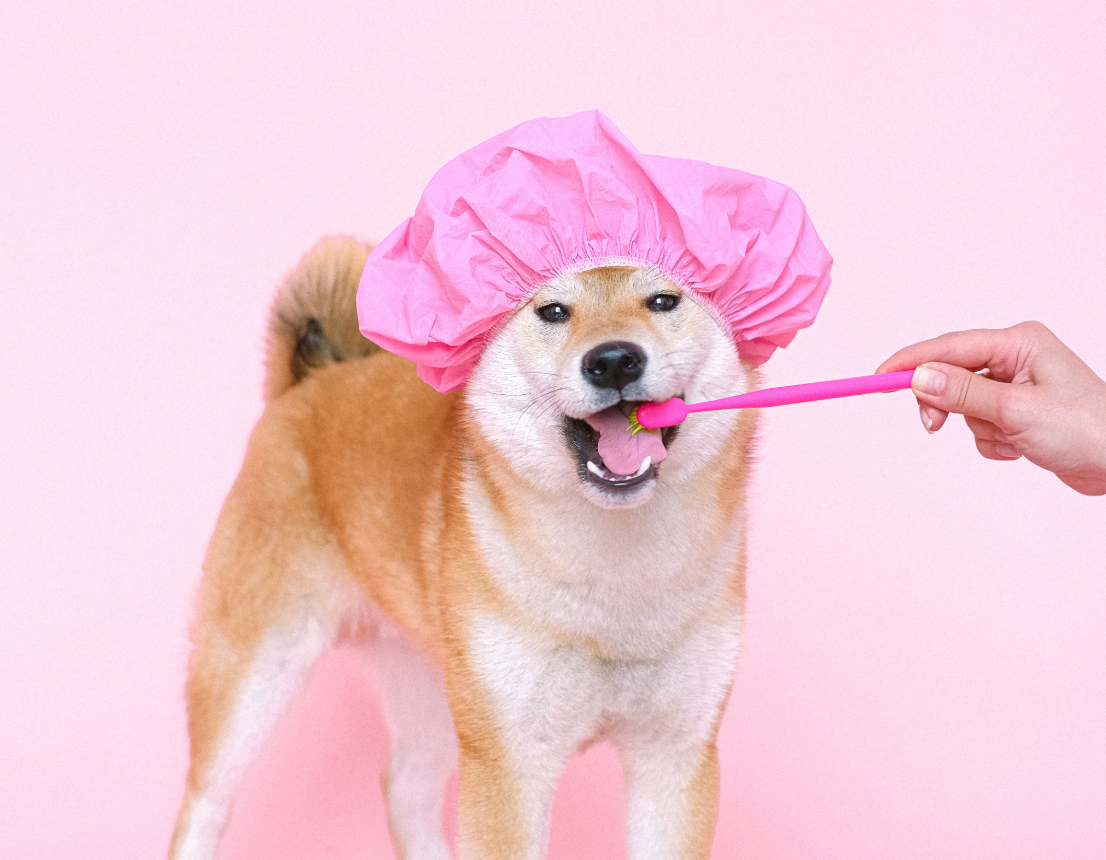
Dental care is often overlooked in pets. Owners brush the coat, check the claws and pay attention to diet, yet the mouth may not receive much attention until bad breath appears or eating becomes uncomfortable. Dental and gum disease, however, are among the most common health problems in dogs and cats.
The process usually starts with plaque. It begins forming soon after a meal and can gradually mineralise into hard calculus. If it is not controlled, inflammation may progress from the gums to the structures supporting the teeth, causing pain, infection and eventually tooth loss.
Why ordinary dry food is not enough
Dry food does not automatically keep teeth clean. Many ordinary kibbles break apart before they can provide meaningful mechanical cleaning. Special veterinary dental diets can help because they are specifically designed for this purpose, but they are not the same as simply feeding any dry food.
Mechanical removal of soft plaque therefore remains the foundation of home dental care, and toothbrushing is the most effective option for most pets.
How often should you brush a dog or cat's teeth?
The ideal routine is daily brushing. Plaque forms quickly, so long intervals between brushing substantially reduce the benefit.
If daily brushing is not realistic yet, start with very short sessions several times a week and build the habit gradually. Dental care should not become a physical struggle. Forcing the procedure can create a lasting fear of having the face and mouth handled.
What should you use?
Use a soft toothbrush of an appropriate size or a toothbrush designed for pets. Some owners find a silicone finger brush easier during the early stages, although a regular soft brush often provides more effective cleaning once the animal is comfortable.
Do not use human toothpaste. Dogs and cats do not spit toothpaste out and are likely to swallow it. Human dental products are formulated for people, and some ingredients — including xylitol in certain products — can be dangerous to animals. A veterinary toothpaste made specifically for dogs or cats is the safer choice.
How to teach a pet to accept toothbrushing
The most important principle is to progress slowly. Do not expect to open the mouth and brush every tooth thoroughly on the first day.
- Start with handling. Calmly touch the muzzle and lips for a few days and reward relaxed behaviour.
- Introduce the teeth and gums. Lift the lip briefly and touch the outside of a tooth with a finger.
- Introduce the brush. Let the pet sniff the toothbrush and veterinary toothpaste.
- Brush for a few seconds. Start with only a few teeth and gradually extend the session.
- Create a routine. Choose a calm, predictable time of day.
Much of the plaque that owners can effectively control is on the outer surfaces of the teeth, so there is usually no need to force the mouth wide open.
What if a cat refuses completely?
Cats can be more difficult to train, particularly when toothbrushing is introduced in adulthood. The same principles still apply: very short sessions, calm handling and gradual conditioning.
If brushing is currently impossible, ask a veterinarian about additional options such as dental diets, approved dental chews, wipes or other products with evidence of effectiveness. These can help reduce plaque, but they should not automatically be treated as a complete substitute for mechanical cleaning.
Do bones and dental chews help?
Some dental chews can provide useful mechanical cleaning. Extremely hard objects, however, can fracture teeth. If a chew is so hard that it has almost no give, it is worth discussing its safety with a veterinarian.
Natural bones are not a universal dental-care solution either. In addition to tooth fractures, they can cause gastrointestinal problems or become foreign bodies.
What is calculus, and can brushing remove it?
Regular brushing removes soft plaque. Once plaque has mineralised into hard calculus, a toothbrush cannot simply restore the tooth to its original condition.
Heavy calculus, inflamed gums, periodontal pockets and damaged teeth require veterinary assessment. During a professional dental procedure, the veterinary team can evaluate the tooth surfaces, the area below the gumline and, when necessary, take dental X-rays.
Why is professional dentistry performed under anaesthesia?
A proper veterinary dental procedure involves much more than removing visible calculus. Important disease is often hidden below the gumline, where safe and thorough work cannot be performed in an awake animal.
Anaesthesia allows the veterinarian to examine the mouth carefully, clean above and below the gumline, measure periodontal structures and obtain dental radiographs when needed. So-called “anaesthesia-free cleaning” may improve the appearance of visible tooth surfaces, but it does not address hidden periodontal disease and is not a replacement for comprehensive veterinary dentistry.
Signs that should not be ignored
Bad breath is not always just a normal feature of a pet. Arrange a veterinary examination if you notice:
- persistent bad breath;
- red, swollen or bleeding gums;
- yellow or brown calculus;
- excessive drooling;
- refusal of hard food or chewing on only one side;
- dropping food from the mouth;
- pawing at the face;
- loose or fractured teeth;
- facial swelling.
Dogs and especially cats can hide oral pain remarkably well. A normal appetite does not necessarily mean that the mouth is comfortable.
When should dental care begin?
It is easiest to introduce mouth handling when a pet is young, but it is never too late to start. If an adult animal has never had dental care, a veterinary examination is a sensible first step. Brushing already inflamed or painful gums can hurt and make the animal even more resistant to future care.
A simple home-care plan
- look inside your pet's mouth at least once a week;
- work toward daily toothbrushing with veterinary toothpaste;
- introduce the routine gradually and without force;
- use dental diets or chews as additional tools, not automatic replacements;
- do not scrape calculus at home with metal instruments;
- include an oral examination in regular veterinary check-ups.
The key point
Home dental care is a small routine that can prevent years of chronic pain and significant dental disease. The most effective strategy combines regular mechanical plaque removal at home with timely veterinary examinations.
You do not need a perfect result on the first day. What matters most is building a calm routine that your pet can tolerate for years.